
How do you respond when your project is suddenly shelved? Here is a short case study.
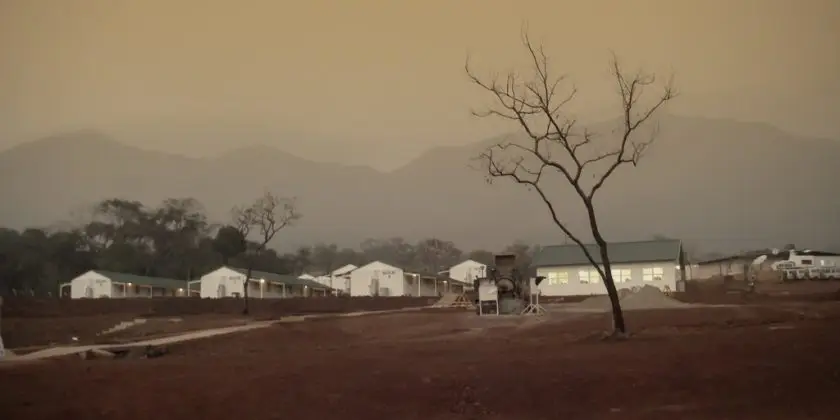
A project in East Africa has been unexpectedly cancelled at short notice following the owners’ decision to prioritise other projects. Project leadership, which is colocated with the design team in a neighbouring, more industrialised country, has been given only two weeks to demobilise and close out the project.
The project site is in a historically disadvantaged area of a low-income developing economy. The project is an expansion of an existing, long-standing mining operation. The operating mine is expected to continue for at least 20 years. Community relations with the operating mine are positive, and the project has been able to leverage existing relationships to engage local contractors and service providers to support the project.
Some established local businesses have borrowed money and invested resources, expecting ongoing additional work from the project expansion. Without the expansion, the operating mine is in a steady-state mode and cannot provide the anticipated growth.
There are several recently mobilised civil and drilling contractors in the field. They are only a few weeks into an expected six-month campaign.
Due to a wider economic downturn, the parent business is cash-constrained, and there is pressure from your senior management to resolve claims quickly and at minimum cost. Several of the contractors are important contributors to the local economy, and the business expects to continue to operate in the region. Other stakeholders, such as regulators, traditional owners, landholders and community groups, are invested in the project.
How could Corvative help? Drawing on past experience of similar situations, we can:
- Identify and capture necessary closure activities;
- Developing a closure plan, including stakeholder communications;
- Plan and execute the process for communication with contractors, terminating the contracts and resolving the claims quickly, fairly, and at the lowest reasonable cost;
- Support the owners to protect their reputation and social licence-to-operate, e.g., by finding cost-effective solutions to assist small local businesses at financial risk due to the cancellation; and
- Assess project systems and procedures for retention, retirement or redeployment, and preserving project value (especially developed IP).